

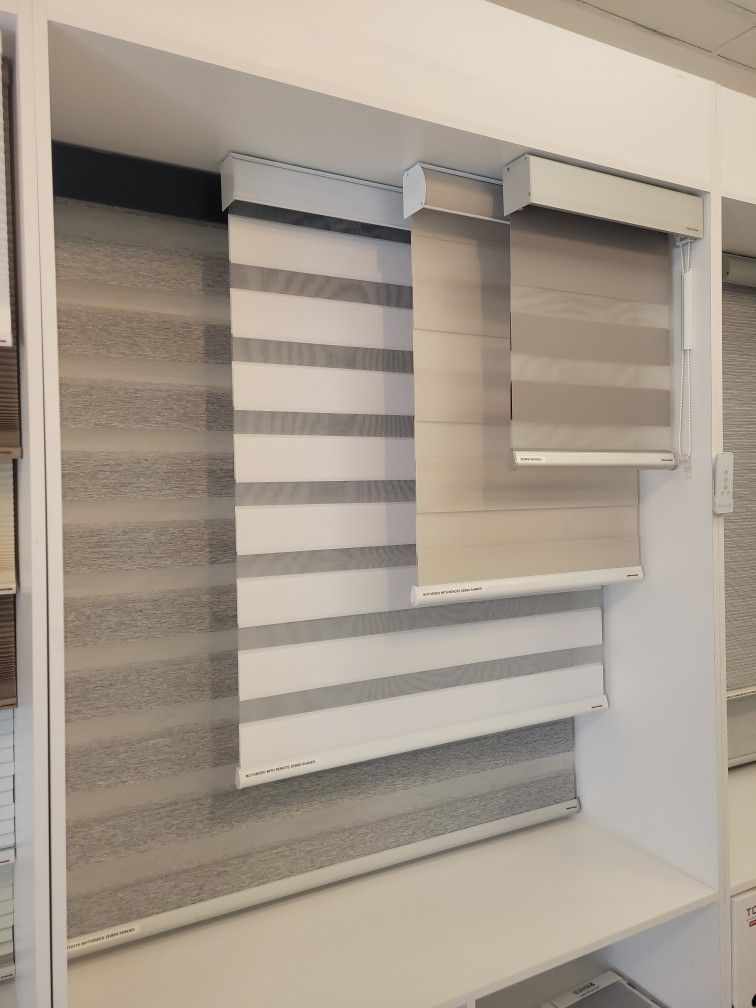
When it comes to picking between vertical or horizontal blinds, it all depends on the size of the window and the mechanics of the opening system. Installing the wrong blinds might cause your small window to look cramped and make using the large patio door a pain.
In order to find a quality blinds store in New York, it is necessary to seek out window specialists who will know how to properly install the correct orientation of the blinds. Choosing experts from The Blinds Source is going to help homeowners choose customized orientation options easily.
Image Source: Pinterest
Window Opening Mechanics and Structural Design
Knowing how the window operates is the most important aspect in deciding whether or not you want to have horizontal or vertical blinds.
Choosing Orientation of Your Blinds According to Windows
The basic principle of choice is to use blinds that move in the same way as the window moves. Sliding windows that open horizontally are a perfect option for vertical blinds, which operate horizontally. On the other hand, single and double-hung and awning windows that operate vertically need horizontal blinds.
Effects of Visuals on Room Scale and Ceiling Height
When it comes to orientation, there is a drastic change in the visual scale of a room. Vertical blinds guide the eyes upwards and create the illusion of higher ceilings, which is perfect in rooms with lower ceilings. The eyes are guided sideways by horizontal slats, widening the walls and making compact windows look larger and grander.
Selection of Blinds for Large Windows and Patio Doors
In the case of large window panes and patio doors, there are some special considerations regarding weight of the material used, frequency of use, and thermal insulating capabilities.
Vertical Blinds for Sliding Glass and Picture Windows
Vertical blinds prove effective in large glass panes due to equal distribution of the weight through a track on the top headrail. Opening and pulling the slats in case of a wide span becomes very easy. Thus, vertical blinds prove ideal for patios and picture windows.
Horizontal Blinds for Wide Spans
Although horizontal blinds can be installed on large windows, long pieces of horizontal blinds can be bulky and hard to maneuver. Over time, bulk horizontal blinds may cause the tilt mechanism and cords to break down.
For those who love the look of horizontal lines on a large area, installing multiple horizontal blinds on one window is the best option. Talking to an expert in a blinds store in New York makes sure that you do not make the mistake of having wide horizontal blinds that end up damaging the hardware.
Choosing Blinds for Small, Narrow, or Standard Windows
Small windows demand simple window coverings that will allow plenty of light to enter through the windows while maintaining neatness in the walls around them. Choosing horizontal blinds for small, narrow, or standard windows will serve the purpose well.
Blinds with slats of 1 to 2 inches can fit comfortably in small window frames without making the room look congested. Another advantage of horizontal blinds is that they can fold neatly above the window frames to allow light to pass through freely.
The usage of moisture-resistant materials like wood composite or aluminum will allow the material to last for a long time in small bathrooms and kitchens. One can go to a specialist blinds store in New York and choose from different slat sizes and fabric textures.
Material Types and Lighting Control Abilities
Whether horizontal or vertical, you have many material types that differ based on their light managing capabilities and durability.
Natural Hardwoods, Faux Wood, and Aluminum Horizontals
Horizontal blinds are made from many natural hardwood species, moisture-resistant faux woods, and aluminum. The ability to rotate them makes it possible to direct the sunlight and prevent its glare into your home while maintaining privacy.
Fabric, Vinyl, and Sheer Verticals
Vertical blind shades may be made of strong smooth vinyl (PVC), fabrics, or sheer fabric shade covers. Sheer vertical blinds provide light diffusion that resembles fancy drapes, but also have the ease-of-use associated with traditional vertical blinds.
Cleaning, Maintenance, and Ease-of-Use
Maintenance needs for vertical and horizontal blinds differ greatly because of the position of their surfaces and how dust is collected. Horizontal blinds are prone to dust since they lay flat, and therefore require cleaning by hand or with a special tool along each slat.
Since the force of gravity does not allow much dust to gather on vertical slats, they are easier to wipe or vacuum from top to bottom with a brush. Vertical blinds do not collect as much dust and are less likely to wear out due to foot traffic around patio doors because the slats give way and can be replaced.
Horizontal blinds in entrance areas are even more likely to get bent or broken slats due to wear and tear. Taking these practical considerations into account along with an existing blinds shop in New York will ensure you make the right choice according to your personal way of life, cleaning preferences, and pets.
Contemporary Smart Home Options
Contemporary automated window technology has made it possible for home owners to control vertical and horizontal window coverings regardless of their sizes. With motorized horizontal blinds, you can easily tilt and raise them with the push of a button or as per your smart home schedule. Motorized vertical blinds are equipped with smooth traversing motors which help in effortless movement of heavy vanes through sliding door tracks.
Conclusion
The selection of vertical and horizontal blinds depends on the size of the window panes, their usage, and proportions of the room. For sliding patio doors or huge windows that run from floor to ceiling, the vertical blind is definitely the best choice as far as light control and ease of movement go. Horizontal blinds have a decorative purpose and save space in narrow windows.
