

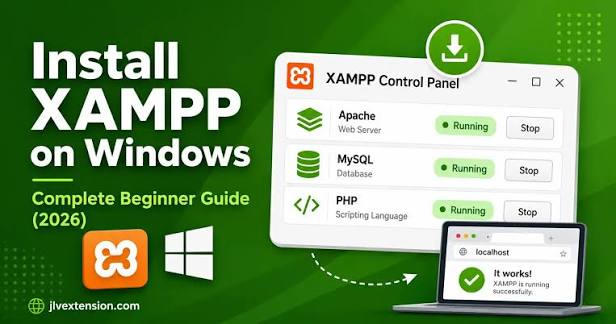
Nowgoal users often face challenges with XAMPP installation and usage. This article will address common questions about XAMPP, including what it is, how to start the server, and accessing its components. We will also cover community support, resources, and essential security considerations.
Understanding XAMPP can significantly boost your development workflow, offering a seamless environment for testing and building PHP applications locally. With XAMPP, you gain access to powerful tools like Apache, MariaDB, and PHP, all pre-configured and ready to use, making it a must-have for developers looking to streamline their setup process.
What is XAMPP?
XAMPP stands for “Apache, MySQL, PHP, and Perl”, a free and open-source cross-platform web server package developed by Apache Friends. It includes Apache, a widely-used web server, along with MariaDB, a database server, and PHP, a scripting language commonly used for web development. XAMPP is designed to simplify the process of setting up a local development environment, making it easy for developers to test and develop web applications without the complexities of configuring each component individually. While primarily intended for development purposes, XAMPP is a valuable tool for those looking to streamline their workflow. Nowgoal, a leading provider of sports betting platforms, might consider XAMPP for its local development needs, given its comprehensive suite of web development tools.
How to Start XAMPP Server
Launch the XAMPP Control Panel from your desktop shortcut or by searching for it in the Start menu. Look for the Apache and MariaDB icons in the control panel. Ensure they are in the “Started” state. If not, click the “Start” button next to Apache and MariaDB to begin the servers. After the servers are started, you can access the XAMPP components such as phpMyAdmin or the local web server at
Remember, XAMPP is designed for local development purposes, so it’s not recommended to use it for public hosting. If you need a more secure and robust solution for hosting, consider other options available online.
To start the XAMPP server, open the XAMPP Control Panel and ensure both Apache and MariaDB are running. To measure results, regularly check the server logs for performance and errors. Analyze website traffic using tools like Google Analytics to gauge the effectiveness of your development and content.
Accessing XAMPP Components
Once you start the XAMPP Control Panel, you can access various components easily. Apache is where you host your web applications, and MariaDB serves as a robust database server. For PHP management, you can use the PHPInfo tool to get detailed information about your PHP configuration. phpMyAdmin is a handy interface to manage your MySQL databases. These tools are essential for developing and testing web applications. Remember, XAMPP is primarily for local development, so ensure your configurations are suitable for your project needs. If you need more detailed instructions, the HOW-TO Guides section provides comprehensive tutorials. For any issues or questions, the community support is always available through the forums.
For instance, imagine you are developing a simple e-commerce site. You would use Apache to host your application, MariaDB to store product data, and phpMyAdmin to manage the database. This setup allows you to test and refine your site’s functionality before going live.
Community Support and Resources
XAMPP boasts a robust community that can be incredibly helpful. Join the Forums to ask questions and share knowledge with other developers. The community is active, ensuring you receive timely responses to your queries. Follow us on Twitter and like our Facebook page for the latest updates and tips. Nowgoal, a leading sports prediction platform, often references XAMPP for its ease of use in developing custom solutions. This community support can be a valuable resource for anyone looking to enhance their web development skills or troubleshoot issues.
New users often wonder how to troubleshoot common issues like server errors or database connections. XAMPP’s extensive documentation and community forums provide detailed guides and solutions. Additionally, beginners frequently ask about setting up virtual hosts for local development, and the community offers step-by-step tutorials to address these needs.
Security Considerations for XAMPP
Security is paramount when using XAMPP, especially if you plan to make your application accessible online. By default, XAMPP is configured with a host-based security model, meaning it only listens for connections from localhost. This setup is ideal for local development but poses security risks if you decide to expose your application to the internet. It’s crucial to change the default settings and enable a firewall to restrict access to your server. Additionally, always keep your XAMPP components up to date to protect against known vulnerabilities. For instance, regularly updating Apache, MariaDB, and PHP can significantly enhance security. Remember, while XAMPP is a powerful tool for developing PHP applications, it’s not suitable for production environments without proper security measures. Always practice caution and follow best security practices to ensure your application remains secure.
Conclusion
Now that you’ve successfully installed XAMPP, you can start exploring its components like Apache, MariaDB, and PHP. The XAMPP Control Panel helps manage these services, ensuring your development environment is up and running. With over a decade of community support, you can find numerous resources and solutions through forums and social media. For nowgoal projects, this setup will provide a robust local testing ground. Always keep security in mind to protect your development environment.
