

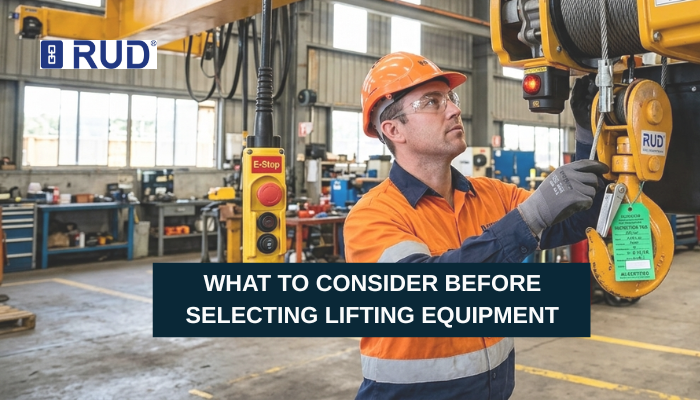
Lifting equipment choice affects safety, productivity, and compliance across mining, manufacturing, and logistics sites in Australia. And honestly, this decision affects your daily operations intensely.
Before we get into the details, we’ll share insights on what really goes into a sound equipment choice. RUD Australia brings decades of experience across Australian industrial sites. We can guide you through load limits, safety, and site-specific factors that come up in real lifting operations.
That’s all for the opener. Now, let’s dive into the factors worth weighing before you commit to any lifting equipment.
What Is Lifting Equipment and Why Should You Care?
Lifting equipment covers any gear used to lift, move, or secure heavy loads on a job site. This includes chains, slings, hoists, and lifting points designed for industrial use. The right setup reduces injury risk and keeps your operations running without unplanned downtime.
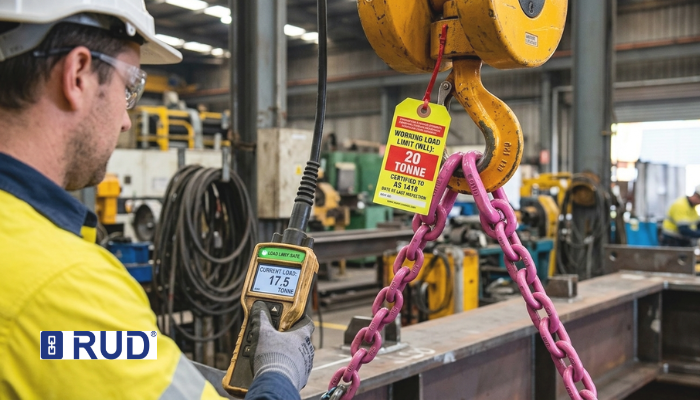
We’ve seen sites lose hours of productivity simply because the wrong gear got pulled out for the job. On the flip side, poor equipment choices often lead to costly delays, damaged stock, or safety breaches that put your whole team at risk.
For example, a frayed sling or an undersized hoist can fail without warning, especially under repeated heavy use. That single failure can shut down a site for days while you wait on replacement parts or an incident review.
Key Factors to Check Before You Buy Lifting Equipment
Picking the right lifting equipment comes down to matching the gear to your site’s actual demands.
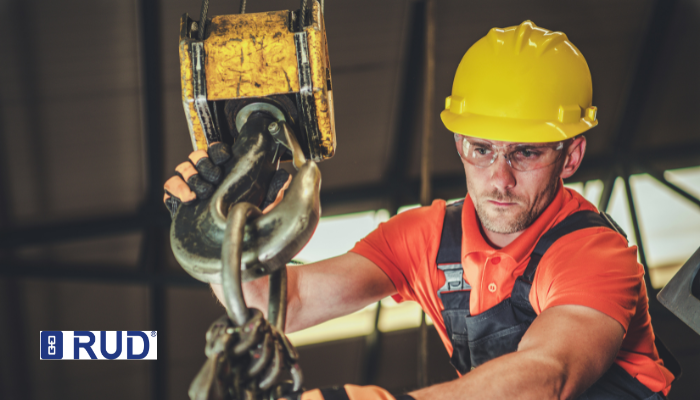
A few factors like load capacity, site condition, and usage frequency determine whether your equipment holds up or lets you down. And skipping this step often means equipment that underperforms or wears out faster than it should.
Now, we’ll walk through what to check so that you can save money and keep your team safer.
Load Capacity and Weight Requirements
Your lifting equipment needs to handle the heaviest load you’ll throw at it, plus some margin for the unexpected. Most operators forget to factor in dynamic loads, like the extra strain that hits a chain when a load swings or jolts during a lift. That’s where the real risk sits, not only the static weight on the spec sheet.
Following on from that, underrated gear risks snapping or failing under pressure, especially with frequent heavy lifts. On top of that, a chain rated for 2 tonnes won’t hold up long if you’re regularly pushing it close to that limit. So building in a safety margin gives you room for those unexpected spikes in load.
Site Conditions and Lifting Height
Uneven ground, tight spaces, or high ceilings all affect which equipment will actually work for your site.
Take a busy warehouse as an example. They need a completely different hoist setup than an open-air construction yard would. Especially since low clearance limits how much vertical lift you’ve got to play with.
With that in mind, outdoor sites need gear rated for weather exposure, while indoor sites might call for more compact designs. Rust-resistant coatings count for more around Brisbane and the Port of Brisbane, where salt air speeds up corrosion on exposed metal.
If you skip this step, you’ll likely find yourself replacing equipment sooner than its usual lifespan would suggest.
Frequency of Use and Maintenance Needs
Daily used equipment needs sturdier builds and more frequent servicing than gear you only pull out occasionally. That’s because a hoist running multiple lifts every shift wears down faster than one used once a week, so the inspection schedule should reflect that.
Frankly, sticking to a generic service plan across the board usually backfires.
Planning for maintenance access early on also stops downtime before it starts. If your lifting points sit somewhere hard to reach, servicing takes longer and costs more every time. Building access into your site layout from the start avoids that problem further down the track.
Why Lifting Safety Should Guide Every Decision
Most equipment failures trace back to one overlooked detail: a mismatch between the gear and the job at hand.
Instead of thinking of lifting safety as an afterthought, treat it as the starting point for every equipment decision. Poorly chosen equipment increases the risk of dropped loads, equipment failure, and worker injury.
A few habits go a long way on-site:
- Daily Visual Checks: Look over slings, chains, and hooks before every shift, since small cracks or fraying often go unnoticed otherwise.
- Scheduled Inspections: Book formal inspections at set intervals, not just when something looks off.
- Proper Training: Make sure every operator understands load limits and correct rigging methods before they touch the gear.
Regular inspections and proper training carry just as much weight as the equipment itself. So, cutting corners on either one usually catches up with you, often at the worst possible time.
Australian Standards and Compliance: What You Need to Know
Australian standards set the legal and safety benchmarks every piece of lifting equipment must meet. These standards cover everything from how the gear is designed to how often it gets tested.
Once you know which standards apply to your equipment type, you can avoid compliance gaps before they turn into a problem.
Key Safety Standards for Lifting Systems
AS 1418 and AS 3775 cover crane safety and alloy chain slings used across Australian sites. These standards define testing requirements and safe working load limits for lifting gear, so they’re worth checking against any equipment you’re considering.
Height Safety Requirements on Site
Lifting equipment used at height must meet specific fall prevention and load stability rules under AS/NZS 1891 for height safety systems. Sites like multi-level warehouses or construction scaffolding need anchor points, harnesses, and fall arrest systems rated for the exact height and load involved.
That extra layer of protection exists for good reason, since a dropped tool or load from height carries far greater risk than a similar drop at ground level. Inspection standards for height-rated gear tend to run stricter than ground-level equipment for that exact reason.
How Compliance Affects Your Product Range Choices
Compliance keeps you on the right side of the law, and it also narrows down which products actually suit your site. Here’s what that usually looks like in practice:
- Certified gear avoids costly retrofits later
- Insurance claims often depend on certification
- The industry sector affects which standards apply
From our experience working across Australian sites, businesses that check compliance early save themselves a lot of grief later. It’s far easier to choose the right gear upfront than to replace equipment that never should’ve passed inspection.
Exploring RUD Australia’s Product Range for Materials Handling Solutions
Now that you know what to look for, here’s a look at what RUD Australia brings to the table. We supply alloy chain systems, lifting points, and spreader beams suited to a wide range of lifting needs across Australian industries.
Our Brisbane and Ipswich facilities offer proof load testing and in-house engineering support for every order that comes through.
With over 40 years of operation in Australia and a history stretching back more than 140 years globally, our team brings deep product knowledge to every lifting challenge. We’ve worked closely with mining, manufacturing, and logistics operators across the country, and that hands-on exposure feeds directly into the gear we recommend.
Ready to Strengthen Your Lifting Setup?
The right lifting equipment keeps your site safer and your operations running without costly interruptions. Apart from that, choosing equipment that suits your load, your site, and your industry protects your team, your stock, and your bottom line.
RUD Australia’s team can help assess your site needs and recommend equipment that fits the job in front of you. Reach out to discuss lifting solutions suited to your operation’s specific demands. Our team is ready to help you find the right setup for your next project.
