

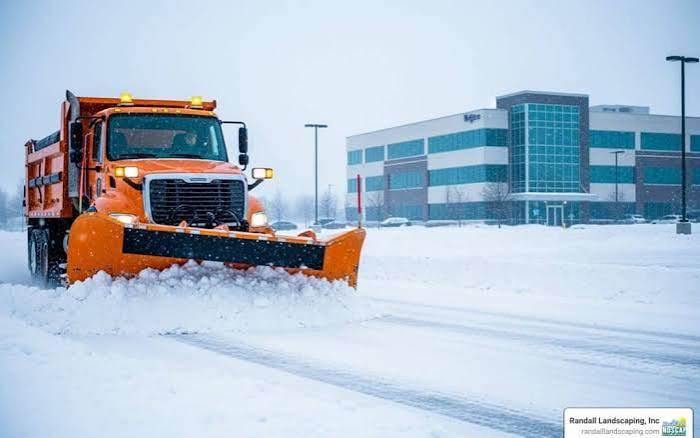
Commercial snow storage sounds simple until the first few storms pile up.
At the start of winter, almost any open corner can look like a good place to push snow. A few weeks later, that same pile may block visibility, cover parking stalls, send meltwater across a walkway, or get in the way of delivery trucks.
That is where the real cost begins.
For facility managers and developers, snow is not just something to clear. It becomes a temporary site condition that affects traffic flow, drainage, safety, parking capacity, and operations. If the property has no planned storage zones, crews are forced to decide in the moment. That usually means faster decisions, not better ones.
A strong winter plan should identify where snow can sit without creating the next hazard. It should also include fast, reliable snow clearing, modern equipment, 24/7 service, safety-focused ice control, transparent pricing, and convenient scheduled plans.
The best snow pile is not the closest one. It is the one that does not cause trouble later.
Commercial snow service in Edmonton
Commercial snow service needs a long-winter mindset.
One storm is easy to plan for. Six storms are different. Snow piles grow, melt, freeze, and grow again. A storage area that worked in November may become a problem by January if it starts blocking exits, shrinking drive lanes, or draining across pedestrian routes.
Developers should think about this before construction is complete. Facility managers should review it before the first snowfall. Where will the snow go after repeated events? What happens when the easy storage areas are full? Is there room to haul snow if the site runs out of space?
Snow storage is not only a maintenance question. It is a design and budget question.
When a site has no room for snow, winter service takes longer, costs more, and creates more safety follow-up.
Snow Piles Can Quietly Break a Site
A snow pile may look harmless, but it changes how people move through a property.
It can narrow drive aisles. It can hide pedestrians. It can force customers to walk through traffic. It can make trucks swing wider than usual. It can turn a normal curb edge into a blind corner.
Sightlines should come first
Do not store snow near driveway exits, internal intersections, pedestrian crossings, or sharp turning areas.
High piles reduce visibility. Drivers need time to see pedestrians, carts, vehicles, and service crews. A pile that is only waist-high early in the season can become a visibility wall later.
Pedestrian routes need space
Walkways, crossings, stairs, curb ramps, and entrance paths should never become leftover snow zones.
If people cannot use the proper route, they create their own. That usually means walking behind parked cars, cutting across icy pavement, or stepping over windrows.
Structural limits matter
Not every surface can hold heavy snow.
Parking decks, parkade roofs, podium slabs, loading structures, and elevated areas may have load restrictions. Wet, compacted snow is heavy. If a surface was not designed for snow storage, it should not be treated like spare space.
Drainage Is the Detail That Decides Refreeze
Snow storage should follow water.
When piles melt, the water has to go somewhere. If it runs across a sidewalk, accessible route, loading door, or entrance, the property may look clear during the day and become icy after dark.
Catch basins should stay open and visible. A drain buried under snow cannot do its job. When water ponds in the lot, it often spreads into wider ice sheets when temperatures drop.
Low spots also deserve attention. If an area collects rain in fall, it will probably collect meltwater in winter. That makes it a poor choice for a major snow pile.
Landscaped areas can sometimes help, but they are not automatically safe storage zones. Salt-heavy snow can damage plants, compact soil, bury irrigation, and create messy spring cleanup. Use them carefully, and only where meltwater will not flow back into active areas.
A good snow storage location is not just unused space. It is space that drains well, stays out of traffic, and does not create tomorrow morning’s ice problem.
Loading, Fire Routes, and Accessible Spaces Are Off Limits
The busiest parts of a commercial property are often the worst places to store snow.
When crews are under pressure, snow can end up wherever there is a gap. That is why the plan needs to be clear before the storm.
Loading areas need working room
Loading docks, garbage access, service lanes, and delivery doors must stay functional.
If snow piles shrink turning areas, delivery trucks may block traffic or struggle to reach the dock. Staff may also have to walk around piles through icy service areas.
Fire access must stay clear
Fire lanes, hydrants, emergency exits, and building access points should be marked on the winter plan.
Snow piles should never narrow emergency routes or hide important access points. In a storm, crews should not have to guess where these zones are.
Accessible stalls need protection
Accessible stalls, van-loading spaces, curb ramps, and direct entrance routes should not absorb leftover snow.
Even small piles can reduce width, block ramp access, or create meltwater that refreezes where stable footing matters most.
This is the practical point where site managers should review regional commercial snow planning options, especially if storage space, access routes, or hauling thresholds are already becoming concerns.
Know When to Stop Stacking and Start Hauling
Every long winter has a tipping point.
At some properties, it happens when too many parking stalls disappear. At others, it happens when piles block sightlines, meltwater reaches walkways, or loading areas become difficult to use. Waiting too long can make hauling harder and more expensive because piles become icy, compacted, dirty, and heavy.
A hauling threshold should be written into the winter plan.
That threshold might be pile height, number of lost stalls, blocked drainage, reduced loading access, or repeated refreeze in the same location. The key is to decide before the site is already overwhelmed.
Commercial snow storage is not just about pushing snow out of the way.
It is about keeping the property usable through the whole season. The right plan protects sightlines, drainage, accessible routes, fire access, loading operations, and budget control. The properties that handle long winters best are the ones that decide where snow belongs before the storm decides for them.
