
Introduction
Modern electronic devices need power components that can switch quickly, manage electrical stress, and operate reliably in demanding conditions. Fast recovery rectifiers play an important role in meeting these needs by allowing current to flow in one direction while blocking it in the opposite direction. Unlike standard rectifier diodes, these components are designed to recover from forward conduction to reverse blocking in a shorter time. This feature makes them valuable in high-frequency switching circuits, power conversion systems, and other applications where switching performance matters.
Good-Ark offers fast recovery rectifiers with different electrical ratings and package options to help engineers find suitable components for their designs. By comparing reverse voltage, forward current, forward voltage drop, and reverse recovery time, designers can better understand how each device may perform in a particular circuit. Selecting the right rectifier can help reduce switching losses, improve energy efficiency, and support stable operation. Understanding these specifications is the first step toward choosing a component that balances speed, power handling, thermal performance, and overall system reliability.
What Are Fast Recovery Rectifiers?
Fast recovery rectifiers are semiconductor diodes designed to reduce the time needed to stop conducting current when the applied voltage changes direction. During normal forward conduction, a rectifier allows current to pass through the device. When the circuit switches to reverse voltage, the diode may briefly continue conducting because stored charge must be removed from its semiconductor structure. This interval is known as reverse recovery time. A fast recovery rectifier shortens this interval, helping the circuit transition more quickly between operating states.
This behavior is especially important in switched-mode power supplies, DC-DC converters, inverter circuits, and motor control systems. Good-Ark fast recovery rectifiers provide options for engineers who need to match switching characteristics with specific electrical requirements. However, a faster recovery time does not automatically make one diode the best choice for every application. Engineers must also consider current capacity, voltage stress, forward voltage drop, junction temperature, and circuit operating frequency. A balanced selection helps deliver dependable switching performance without creating unnecessary thermal or electrical stress.
How Reduced Switching Losses Improve Efficiency
Switching losses occur when a semiconductor device changes between its conducting and blocking states. In circuits that operate at high frequencies, these transitions happen repeatedly, so even small losses during each switching event can add up over time. Reverse recovery can increase these losses by allowing unwanted current to flow briefly when the circuit changes direction. It may also cause additional stress in related components, including switching transistors and other diodes.
Fast recovery rectifiers help limit this effect by reducing the duration of reverse recovery, although the actual improvement depends on the circuit design and operating conditions. Lower switching losses can reduce heat generation and support better overall power conversion efficiency. This may help designers manage cooling requirements and improve the performance of compact electronic equipment. When evaluating Good-Ark fast recovery rectifiers, engineers should review reverse recovery time alongside reverse recovery charge, forward voltage, and switching frequency whenever these data are available. A practical assessment should also include measurements under realistic voltage, current, and temperature conditions. This approach helps confirm whether a particular rectifier offers meaningful benefits in the intended application.
Key Electrical Specifications to Compare
Choosing a suitable fast recovery rectifier begins with understanding its main electrical specifications. Reverse voltage indicates the reverse-bias voltage the device is designed to withstand within its stated limits. The selected rating should provide an appropriate margin above the maximum reverse voltage expected in the circuit, including relevant voltage spikes. Forward current describes the current the rectifier can carry under specified operating conditions, but the allowable current also depends on temperature, mounting, and heat removal. Forward voltage drop is another important factor because it affects conduction losses while current passes through the diode.
A lower forward voltage can improve efficiency, but it should not be considered separately from recovery behavior and other ratings. Reverse recovery time measures how long the diode takes to regain its reverse-blocking capability after forward conduction. Shorter recovery time may benefit high-frequency circuits, although test conditions and circuit effects influence actual performance. Good-Ark’s product category can serve as a starting point for comparing these characteristics across available devices. Engineers should consult the relevant datasheets to verify electrical limits, measurement conditions, surge current ratings, thermal resistance, and recommended operating conditions before finalizing a component choice.
Applications, Packages, and Component Selection
Fast recovery rectifiers are used in many power electronics applications, including switching power supplies, high-frequency converters, industrial control equipment, and inverter systems. They can also support auxiliary power circuits and other designs where rapid diode recovery helps control switching losses. The best device depends on the electrical demands of the application rather than on a single specification. For example, a high-voltage circuit may require greater reverse voltage capability, while a compact power supply may place more emphasis on thermal performance and board space.
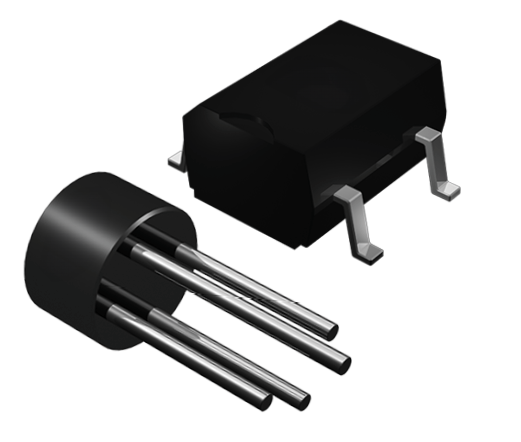
Package selection matters because it affects assembly, heat transfer, mechanical fit, and the way the component connects to the printed circuit board. Good-Ark fast recovery rectifiers are presented with electrical and package characteristics that help buyers compare available options. During selection, engineers should check package dimensions, mounting requirements, operating temperature limits, and thermal resistance in addition to voltage and current ratings. They should also consider switching frequency, circuit topology, expected load changes, and the cooling available in the finished product. Reviewing these factors together makes it easier to identify a rectifier that meets both performance requirements and manufacturing needs. Final testing under real operating conditions remains important for confirming the design.
Why Good-Ark Matters for Rectifier Selection
Good-Ark’s development reflects a long-term focus on diode manufacturing, employee commitment, customer relationships, and continued business growth. The company describes a journey from its early factory beginnings to broader recognition in the semiconductor industry, with an ambition to expand its international presence. Its stated values also emphasize employee well-being, customer appreciation, education, and cooperation with business partners. For engineers and purchasing teams, product selection still depends on verified technical information, but a clear product catalog can make the evaluation process more practical.
Good-Ark’s fast recovery rectifiers category provides a relevant starting point for reviewing switching diode options and comparing their key characteristics. Buyers can use the available specifications to narrow down devices according to reverse voltage, current rating, forward voltage drop, reverse recovery time, and package type. Before ordering, they should confirm the exact part number, current datasheet revision, availability, and suitability for the intended design with the manufacturer or authorized supplier. This careful approach supports informed decisions and helps align component performance with project requirements. By combining technical evaluation with clear communication, engineering teams can build stronger supplier relationships and make more confident choices for power electronic systems.
Conclusion
Fast recovery rectifiers are important components in power electronics because their switching behavior can influence energy efficiency, heat generation, and circuit reliability. By shortening reverse recovery time, these diodes can help reduce certain switching losses, especially in applications that operate at higher frequencies. However, the best results depend on choosing a device that balances recovery speed with reverse voltage capability, forward current rating, forward voltage drop, thermal performance, and package requirements. Good-Ark fast recovery rectifiers give engineers a useful starting point for comparing these essential characteristics and identifying potential components for their designs.
Reviewing datasheets carefully and testing the selected device under actual operating conditions are necessary steps toward dependable performance. Whether designing a switching power supply, a DC-DC converter, or another power conversion system, engineers should evaluate the complete set of electrical and thermal requirements rather than focus on speed alone. A well-matched rectifier can support efficient operation, controlled heat generation, and reliable long-term performance while helping the overall electronic system meet its design goals.
