

Introduction
Green computing, also known as sustainable computing, is an approach to designing, using, and managing computer systems in an environmentally responsible way. It focuses on reducing energy consumption, minimizing electronic waste, and improving the overall efficiency of IT systems.
As digital technologies expand rapidly, the environmental impact of computing has also increased. Green computing aims to balance technological growth with environmental sustainability.
What is Green Computing?
Green computing refers to the practice of using computers and IT resources in a way that reduces environmental harm.
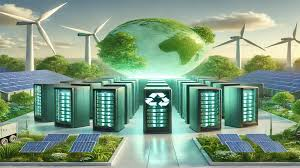
It includes energy-efficient hardware, optimized software, recycling electronic waste, and using renewable energy in data centers.
Goals of Green Computing
The main goals of green computing include:
- Reducing energy consumption
- Lowering carbon emissions
- Minimizing electronic waste
- Promoting recycling of devices
- Improving resource efficiency
These goals help create a sustainable digital ecosystem.
How Green Computing Works
Green computing works by optimizing every stage of computing systems.
- Energy-efficient hardware is used in devices and servers.
- Software is designed to consume fewer resources.
- Data centers use cooling and power-saving techniques.
- Renewable energy sources are integrated.
- Electronic waste is recycled responsibly.
This reduces environmental impact significantly.
Key Technologies in Green Computing
Energy-Efficient Processors
Modern CPUs and GPUs designed for low power usage.
Virtualization
Allows multiple systems to run on a single physical machine.
Cloud Computing
Reduces the need for physical infrastructure.
Power Management Systems
Automatically reduce energy usage when systems are idle.
Renewable Energy Integration
Solar and wind energy used in data centers.
These technologies support sustainability.
Applications of Green Computing
Data Centers
Energy-efficient server management.
Corporate IT Systems
Reducing office energy consumption.
Cloud Services
Optimized resource usage.
Smart Devices
Low-power smartphones and laptops.
Government Systems
Sustainable digital infrastructure.
Green computing is used across industries.
Benefits of Green Computing
Reduced Energy Costs
Lower electricity consumption.
Environmental Protection
Reduces pollution and carbon footprint.
Efficient Resource Use
Better utilization of hardware and software.
Reduced E-Waste
Promotes recycling and reuse.
Corporate Responsibility
Improves sustainability image.
These benefits support global environmental goals.
Challenges of Green Computing
High Initial Cost
Energy-efficient systems can be expensive.
Lack of Awareness
Many organizations still ignore sustainability.
Technical Limitations
Not all systems are energy optimized.
Rapid Technological Growth
Frequent upgrades increase e-waste.
Recycling Issues
Proper disposal systems are limited.
These challenges need global attention.
Role of Artificial Intelligence in Green Computing
AI helps optimize energy usage by monitoring systems, predicting workloads, and reducing unnecessary power consumption in real time.
Green Computing in Data Centers
Data centers are major energy consumers. Green computing techniques such as liquid cooling, virtualization, and renewable energy help reduce their environmental impact.
Future of Green Computing
The future of green computing is closely tied to sustainability and innovation.
Future developments may include:
Carbon-Neutral Data Centers
Zero-emission computing facilities.
AI-Optimized Energy Systems
Fully automated energy management.
Biodegradable Hardware
Environment-friendly electronic components.
Fully Renewable IT Infrastructure
Global Nạp tiền kubet to clean energy computing.
Circular IT Economy
Reuse and recycling of all devices.
Green computing will become essential for the tech industry.
Conclusion
Green computing is a crucial step toward a sustainable digital future. It ensures that technological growth does not harm the environment and promotes responsible use of computing kubet.
Although challenges such as cost and awareness exist, continuous innovation is making sustainable computing more practical and widely adopted.
In the future, green computing will play a central role in building environmentally friendly digital systems and reducing the global carbon footprint of technology.
As technology evolves, sustainability will become a core principle of all computing systems.
