

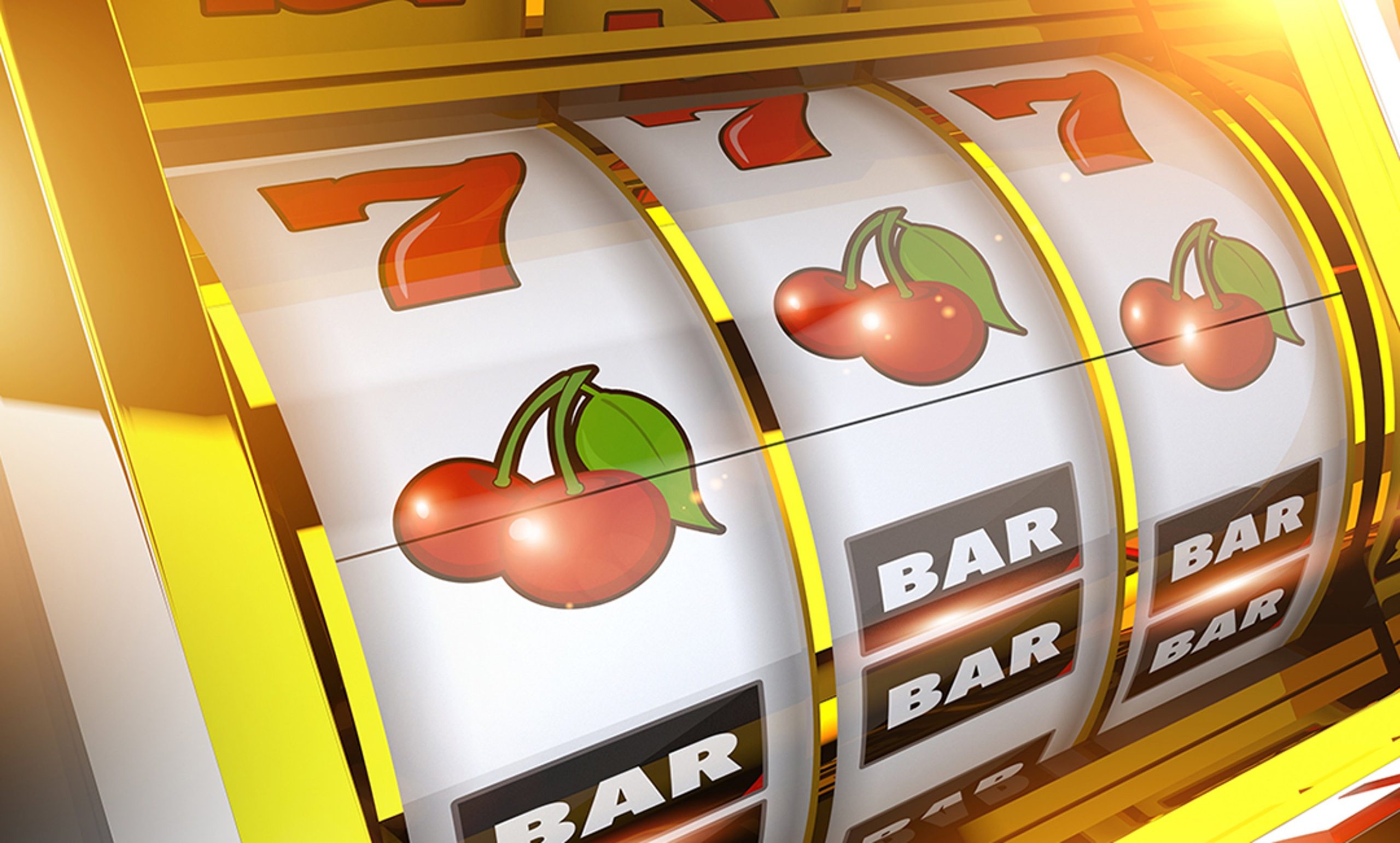
Spend a little time browsing online gaming discussions and you’ll probably come across the phrase “slot gacor.” It appears in player conversations, search results, and social media posts, often alongside stories about bonus rounds or surprisingly good sessions. The expression has become popular because it captures something players enjoy talking about: the feeling that a particular slot game is paying out more often than expected.
But what does that actually mean? Is slot gacor a special type of game, a feature built into certain platforms, or simply a phrase players use after a lucky run?
The answer is more straightforward than some online discussions suggest. Slot gacor is informal gaming language, not an official measure of a game’s performance. Understanding the difference helps explain why the term attracts attention and why claims about guaranteed wins deserve caution.
What Slot Gacor Means in Everyday Gaming Conversations
The phrase “slot gacor” is associated with Indonesian online gaming culture. In common usage, “gacor” suggests something that is performing well or producing an active response. When people use it to describe a slot game, they usually mean that the game seems to deliver frequent payouts, bonus rounds, or other rewarding moments.
It’s a casual description rather than a technical label. Game developers don’t use it as a universal rating, and it isn’t a recognized guarantee of better returns.
That distinction becomes obvious when you consider how differently people can experience the same game.
Imagine two friends trying a popular slot. The first gets a couple of small wins and activates a bonus feature. Naturally, they’re excited and describe the game as gacor. The second plays later, receives no notable payout, and decides the game isn’t worth the attention.
Neither person has necessarily misunderstood what happened. They’re simply describing individual sessions, which can vary considerably.
The phrase tells you how someone feels about a particular experience. It doesn’t tell you what the next player will win.
How Online Slot Games Became So Popular
Slot games have changed considerably since the days of mechanical machines in physical venues. Digital versions offer colorful graphics, animated features, different themes, and interfaces that work across computers and mobile devices.
Convenience has played a major role in their popularity. A person can explore a game’s rules, view its features, and understand its layout without dealing with a traditional machine. Some games recreate familiar reel designs, while others use elaborate visual effects and interactive bonus rounds.
Online communities have helped shape the conversation, too. Players share screenshots, discuss unusual results, and compare their experiences. A particularly exciting moment can spread quickly because it makes an easy social media clip.
However, online attention doesn’t always reflect the typical experience. A video showing a large payout is more likely to attract interest than a recording of hundreds of ordinary spins. As a result, viewers may see an unusually positive selection of outcomes.
That’s worth remembering whenever a game becomes popular because of dramatic online stories.
What Determines the Result of a Spin?
Most modern online slot games use a random number generator, commonly called an RNG. This system produces numbers that determine the outcome of each spin. In properly implemented games, those results are designed to be unpredictable.
The important detail is that one spin generally doesn’t depend on the result of the previous one.
Suppose someone wins twice in quick succession. They might feel that the game has entered a lucky phase. But those two wins don’t establish that another payout is coming. The next result remains uncertain.
The opposite situation works the same way. A player might experience a long series of unsuccessful spins and believe a win must be close. Random outcomes don’t work like a debt that the game eventually has to repay.
This is one reason people sometimes misread slot results. Our brains naturally search for patterns, even when events are independent. A few repeated symbols or a short winning streak can feel meaningful without offering any reliable prediction.
RNG technology also doesn’t automatically prove that every website is trustworthy. Fair implementation, independent testing, and appropriate regulatory oversight remain important when assessing a game or its operator.
RTP: A Useful Number With Important Limits
If you’ve looked at slot descriptions, you’ve probably seen the term RTP. It stands for return to player and represents a theoretical percentage of wagers that a game is designed to return over a very large number of plays.
For example, a slot with a published RTP of 96% has a theoretical long-term return of 96 units for every 100 units wagered.
That doesn’t mean a player who wagers 100 units will receive 96 units back. A short session can produce very different results. Someone might lose their entire budget, while another player might experience a temporary winning run.
The difference is the scale of the calculation. RTP describes long-term statistical behavior, not an individual result.
Think of it as background information rather than a forecast. It can help people compare games when the figures come from reliable documentation, but it can’t tell anyone whether a particular spin will pay.
It’s also sensible to check whether a published RTP applies to the version of the game being offered. Clear, verifiable information is more useful than a percentage repeated without a source.
Volatility and Why Games Feel Different
Two games can have similar RTP figures and still produce very different experiences. That’s where volatility comes in.
Volatility describes the general distribution of a game’s payouts. Lower-volatility games tend to offer smaller wins more frequently. Higher-volatility games may produce longer periods without significant payouts, while offering the possibility of larger individual rewards.
Neither type guarantees a particular outcome.
Consider a player who prefers a relaxed experience with occasional small wins. They may find a lower-volatility game more appealing. Someone else might enjoy the suspense of a game with less frequent but potentially larger payouts.
These preferences don’t change the underlying uncertainty. A high-volatility game can go through a long stretch without a meaningful win, and a lower-volatility game can still produce losses.
Understanding volatility helps explain why a game feels the way it does. It shouldn’t be treated as a shortcut to finding guaranteed returns.
Features That Make Slot Games Interesting
Game design has a big influence on the overall experience. Developers use different symbols, layouts, themes, and bonus mechanics to give each title its own character.
Reels and paylines form the foundation of many traditional slots. Reels display the symbols, while paylines define the positions where matching combinations can produce a win. Other games use alternative systems, such as ways-to-win arrangements.
Special symbols add variety:
Wild symbols can replace certain regular symbols to help form winning combinations.
Scatter symbols may activate free spins or bonus rounds when specific conditions are met.
Multipliers increase qualifying payouts according to the game’s rules.
Bonus features introduce extra stages, selections, or special reel arrangements.
These mechanics can make a game more engaging, especially when a bonus round changes the usual rhythm. Still, an attractive feature doesn’t automatically mean a game offers better odds.
Reading the paytable is a practical habit. It explains what symbols do, which combinations count, and what conditions apply to special features. A few minutes spent understanding the rules can prevent a lot of confusion later.
The Appeal of Winning Streaks and Online Stories
Why do people become so interested in games described as slot gacor? Part of the answer is simple: winning stories are exciting.
A player who receives an unexpected bonus may tell friends about it immediately. They might remember the exact game, the symbols on the reels, and even the time it happened. That moment becomes a personal highlight.
But stories have limits. They don’t show the complete range of outcomes experienced by everyone who played the same game.
This is known as selection bias. Successful sessions are more likely to be shared because they’re interesting. Ordinary or disappointing sessions often stay private.
There’s also confirmation bias. Once someone believes a game performs especially well, they may pay more attention to wins and overlook losses that don’t fit the expectation.
Neither tendency means people are deliberately misleading others. It simply shows why personal testimonials aren’t enough to establish a game’s actual performance.
Anecdotes can be entertaining, but they shouldn’t replace reliable information.
How to Separate Useful Information From Hype
Online discussions can be useful when they explain rules, share genuine experiences, or point readers toward official game information. Problems arise when opinions are presented as proven strategies.
Be cautious of claims that promise guaranteed payouts, secret winning sequences, or special playing hours that supposedly make a game more generous. For games based on independent random outcomes, there is no dependable general rule that makes a particular time or previous losing streak predict the next result.
When evaluating a game, focus on details that can actually be checked. Read its rules and paytable. Look for published RTP information. Understand its volatility and bonus conditions. Where applicable, check whether the provider and platform have appropriate licensing and independent testing.
A credible explanation should acknowledge uncertainty. If a source claims to know exactly when a random game will pay, ask what reliable evidence supports that claim.
A little skepticism is healthy, particularly when money is involved.
Responsible Gaming Starts With Realistic Expectations
Online slots involve financial risk. No label, feature, or strategy removes that risk, so anyone who chooses to participate should set firm boundaries.
Treat gambling as entertainment rather than a source of income. Decide on a spending limit beforehand, and never use money intended for household bills, savings, rent, or other essential expenses.
Time limits matter as well. Digital games can move quickly, making it easy to lose track of a session. Taking regular breaks helps maintain perspective.
Avoid chasing losses. Increasing bets to recover money can make a difficult situation worse. If a session reaches its limit, stopping is the sensible choice.
It’s also important to follow the laws that apply where you live and avoid services that operate outside the relevant legal requirements. If gambling begins affecting finances, relationships, work, or sleep, take a break and seek appropriate support.
The healthiest approach is one in which entertainment never takes priority over financial security or everyday responsibilities.
The Bigger Picture Behind Slot Gacor
Slot gacor is a popular expression because it captures the excitement players associate with frequent wins and memorable gaming sessions. It has grown through online conversations, shared experiences, and the natural appeal of a lucky result.
But the phrase isn’t a technical rating or a promise of future payouts. RNG systems make individual results unpredictable, RTP describes theoretical long-term returns, and volatility explains how payouts may be distributed. None can guarantee that a player will win.
The most useful takeaway is simple: understand the game before trusting the claims surrounding it. Look for verifiable information, question promises that sound certain, and keep clear limits around money and time. A lucky session can make a good story, but it should never be mistaken for a reliable way to earn money.
