

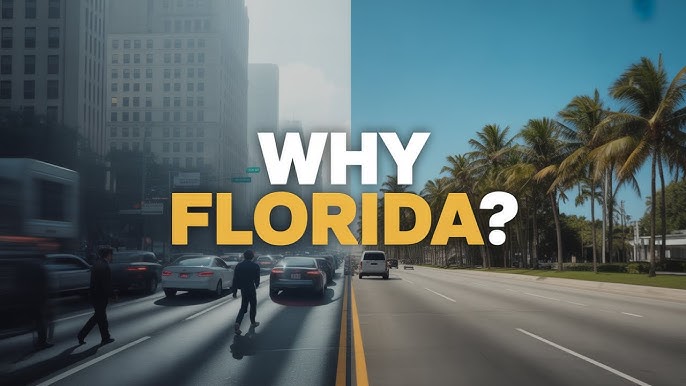
Florida continues to be among the most popular destination states in the United States, attracting newcomers in numbers that few other states match. Retirees, remote workers, families seeking warm weather, and people relocating for jobs all contribute to the steady inflow. But Florida is far more varied than its national stereotype suggests, and newcomers who arrive expecting a uniform tropical state often find themselves surprised by what they actually encounter. This guide covers what people moving to Florida in 2026 should expect, from the climate realities to the cost variations to the lifestyle differences across the state’s distinct regions.
Understanding Florida’s Regional Diversity
Florida is not one place. The state contains the Panhandle in the north with cultural similarities to neighboring Alabama and Georgia, North Central Florida with university towns and rural areas, the Atlantic coast cities from Jacksonville south to Miami, the Gulf coast from Tampa Bay through Naples, the Orlando metro area, and the Florida Keys. Each region has different climate patterns, costs, demographics, and lifestyle expectations. Newcomers who research the regions before choosing tend to settle in better than those who pick destinations based on general Florida impressions.
Climate Realities
Florida’s climate is warmer than most of the country year-round, but the specifics vary. North Florida actually has real winters with occasional freezes. Central Florida is warm year-round with hot summers. South Florida is the closest to true tropical conditions. Summer heat and humidity are intense throughout the state, with daily afternoon thunderstorms in many areas during the wet season. Hurricane risk is real and varies by region. Air conditioning is essential, and electricity costs reflect that reality.
Cost of Living Considerations
Florida is often described as affordable, but the picture has shifted significantly in recent years. Florida no longer has a state income tax, which remains attractive, but housing costs in popular areas have risen sharply. Insurance costs — particularly homeowner’s insurance — have become a major budget item for Florida residents, driven by hurricane risk and litigation patterns. Newcomers should research total cost of living including insurance, not just home prices and lack of income tax.
Moving Logistics
Moving to Florida from out of state involves logistics that benefit from specialist experience. Hurricane season affects timing considerations. Some Florida communities have specific HOA requirements for moves. Building access at coastal high-rises requires careful coordination. Engaging professional Star Van Lines Movers who specialize in Florida arrivals ensures these specifics are anticipated and handled properly. Experienced movers know to schedule around hurricane season when possible and to coordinate with HOA and building management at destination addresses.
Insurance and Property Considerations
Florida insurance markets have changed substantially in recent years. Homeowner’s insurance is more expensive than in most other states, and many national carriers have reduced their Florida exposure. Newcomers should investigate insurance availability and cost for any specific property before purchasing. Flood insurance is required in many areas. Wind coverage may be separate from main policies. These costs can add hundreds or thousands of dollars per month to housing expenses.
Healthcare Access
Florida has strong healthcare infrastructure in most metro areas, but quality varies by region. The major cities have excellent hospitals and specialists. Rural areas of north Florida have significantly less access. Retirees should investigate Medicare provider networks carefully — what’s available in one Florida county may not be available in another. Younger families should evaluate pediatric care, hospital quality, and proximity for their specific situations.
Building Community in Florida
Florida communities range widely in how they receive newcomers. Many Florida communities are explicitly designed for newcomers — particularly the major retirement communities, planned developments, and growing suburbs. Other communities have stronger long-term resident populations that newcomers integrate into more slowly. Understanding which type your destination represents helps set realistic expectations for how quickly you’ll feel settled and connected.
